Source extruded 5000 series aluminum bar for Door & Window, Transportation Tools, Decorations
Find 30 listings for extruded 5000 series aluminum bar with grades like 5052 and 5754. Buyers can compare specifications, certifications, and prices from suppliers in Shanghai and Jiangsu for use in door & window, transportation tools, and decorations.
Key considerations
Products List


$2700.00 - $3000.00
Moq: 1




Comprehensive Sourcing Guide
Strategic Sourcing Guide for Extruded 5000 Series Aluminum Bar
Understanding the Material Profile and Technical Specifications
When sourcing extruded 5000 series aluminum bar, buyers must first establish a precise understanding of the material's inherent properties and the specific technical parameters available in the current market. The core keyword "extruded 5000 series aluminum bar" points to a specific subset of non-heat-treatable aluminum alloys known for their excellent corrosion resistance and weldability. Based on observed product data, the 5000 series grades available for procurement include 5052, 5754, and 5083. These grades are distinct from the 6000 or 7000 series, offering a balance of strength and formability that is critical for applications requiring structural integrity without the susceptibility to stress corrosion cracking found in some heat-treatable alloys.
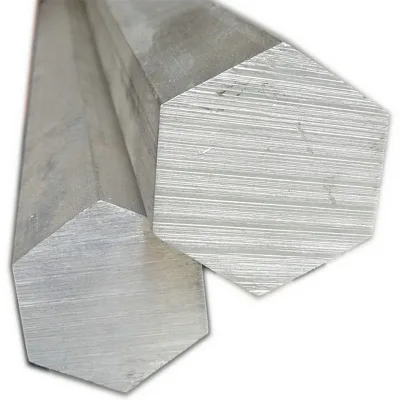
The physical dimensions and forms of these bars vary significantly depending on the extrusion capabilities of the supplier. Observed listings indicate that the product shape can be round or rectangular, with round bars being a primary configuration for the 5000 series. The thickness is generally categorized as "Medium Weight," suggesting a focus on structural profiles rather than ultra-thin foils or massive ingots. Length specifications are highly flexible, with observed data showing options ranging from 1 to 12 meters, or available as custom lengths to meet specific project requirements. The temper range for these extruded bars typically spans from T3 to T8, allowing buyers to select the specific mechanical properties required for their application, whether that be a softer, more formable state or a harder, higher-strength condition.
The manufacturing technique is explicitly "Extruded," which differentiates these products from rolled or forged alternatives. This process involves forcing the heated aluminum alloy through a die to create a specific cross-sectional profile. The surface treatment options observed include oxidized finishes and color-coated surfaces, which can be selected based on aesthetic requirements or additional environmental protection needs. Furthermore, deep processing services such as punching, drilling, tapping, and bending are often available as value-added services, allowing for more complex component fabrication directly from the raw bar stock.
Compliance, Certification, and Standard Verification
Navigating the regulatory landscape is a critical step in the procurement of industrial aluminum products. Buyers must verify that the supplier adheres to recognized international standards to ensure material consistency and safety. The observed product data confirms that suppliers often reference a broad spectrum of standards, including ASTM, AISI, JIS, DIN, and GB. For the 5000 series specifically, the certification data highlights compliance with EN, ASTM, and ISO standards, with some listings explicitly noting "ISOGrade:5000 Series."
When evaluating a potential supplier, it is essential to request documentation that proves the material grade matches the specific standard requirements. For instance, while general standards like ASTM B221 or EN 755 are often cited in the broader aluminum industry, the specific product listings provided confirm the presence of certifications such as ISO9001, ASTMB, EN, GB, and JIS. Buyers should not assume that a supplier's general certification covers every specific alloy variant; instead, they must verify that the specific batch of 5052, 5754, or 5083 aluminum meets the chemical and mechanical requirements of the cited standard.
The production execution standard is another vital area of verification. Observed data mentions "Gbt/En/ASTM" as production execution standards, indicating that the manufacturing process itself is monitored against these benchmarks. This is particularly important for applications in the transportation tools and construction industries, where regulatory compliance is strict. Buyers should also check for specific alloying ingredient certifications, such as CE or ISO, which may be required for export to certain markets. It is crucial to understand that while a supplier may claim "ASTM" compliance, the specific test results and mill certificates must align with the exact grade (e.g., 5052-H32) ordered.
Cost Drivers and Economic Factors in Procurement
The pricing structure for extruded 5000 series aluminum bars is influenced by a complex interplay of material costs, processing requirements, and logistical factors. The observed market data reveals a wide price range, from $1.50 to $15,000 USD, which reflects the variability in order volume, bar dimensions, and surface treatments. This broad range indicates that unit pricing is not static but is heavily dependent on the scale of the purchase and the specific configuration of the order.
The Minimum Order Quantity (MOQ) is a significant economic driver, with observed ranges spanning from 1 unit to 500 units. Buyers purchasing small quantities for prototyping or low-volume production may face higher per-unit costs due to the setup costs associated with extrusion dies and machine calibration. Conversely, bulk buyers can leverage economies of scale to reduce the cost per ton. The supply ability of the supplier, observed at 500 tons per month, suggests that large-volume orders can be fulfilled without significant delays, provided the raw material supply chain remains stable.
Logistics and packaging also contribute to the total cost of ownership. The observed data highlights "Standard Marine Packing" and "Suitable for Sea Freight" as common packaging standards, which are essential for international shipping to prevent damage during transit. The origin of the products, primarily from Shanghai and Jiangsu Suzhou in China, influences shipping costs and lead times. Buyers must factor in the cost of freight, insurance, and potential tariffs when calculating the landed cost. Additionally, payment terms, such as "Platform Online Pay or Tt Bank," can affect cash flow and financial planning, with some suppliers offering discounts for upfront payments or specific banking arrangements.
Typical Applications and Industry Use Cases
The versatility of extruded 5000 series aluminum bars makes them suitable for a diverse array of applications across multiple industries. The observed product data explicitly lists applications in decorations, door and window systems, transportation tools, and the construction industry. The specific properties of the 5000 series, such as high corrosion resistance and good weldability, make them ideal for marine environments and outdoor structures where exposure to moisture and salt is a concern.
In the transportation sector, these bars are frequently used for structural components in vehicles, trailers, and ships. The ability to be extruded into complex shapes allows for the creation of lightweight yet strong frames and supports. The "Window & Door Aluminium Profile" attribute, specifically mentioning the 60 Series, suggests that while the core material is 5000 series, it is often integrated into larger systems designed for architectural glazing and facade systems.
The construction industry also relies heavily on these materials for structural framing, handrails, and decorative elements. The availability of surface treatments like color coating and oxidation allows for aesthetic customization, making these bars suitable for both functional and decorative purposes. Furthermore, the "Heat Sink" application mentioned in the data indicates that the thermal conductivity of these alloys is leveraged in electronic and industrial cooling systems. The "Glass Wall" application further underscores their role in modern architectural designs where transparency and structural support must coexist.
Supplier Evaluation and Selection Criteria
Selecting the right supplier for extruded 5000 series aluminum bars requires a rigorous evaluation process that goes beyond simple price comparison. Buyers should prioritize suppliers who demonstrate a clear understanding of the specific alloy grades and their corresponding temper conditions. The observed data shows that suppliers offer a range of grades including 5052, 5754, and 5083, and the ability to provide detailed technical data for each is a strong indicator of expertise.
Location and logistical capabilities are also critical factors. With primary origins in Shanghai and Jiangsu Suzhou, buyers should assess the supplier's proximity to major ports and their experience with international shipping. The "Standard Marine Packing" and "Wooden Pallets" observed in the data suggest a commitment to protecting the product during transit, but buyers should verify the specific packing protocols for their unique requirements.
The supplier's production capacity and lead time are essential for maintaining supply chain continuity. An observed supply ability of 500 tons per month indicates a robust production capability, but buyers should confirm if this capacity is consistent year-round or subject to seasonal fluctuations. Additionally, the availability of deep processing services like welding, cutting, and bending can streamline the procurement process, allowing for a single-source solution for raw materials and preliminary fabrication.
Quality Control and Long-Term Procurement Considerations
Ensuring the long-term reliability of the aluminum bar supply requires a robust quality control framework. Buyers should implement a verification process that includes checking mill test certificates against the ordered specifications. The observed certifications, such as ISO9001 and various ASTM standards, provide a baseline for quality assurance, but on-site audits or third-party inspections may be necessary for high-volume or critical applications.
The "Service Processing" capabilities, including welding and power coating, should be evaluated for consistency. Variations in these processes can affect the final product's performance, particularly in applications involving structural integrity or aesthetic finishes. Buyers should also consider the long-term availability of the specific alloy grades. While 5052, 5754, and 5083 are standard grades, changes in raw material markets or supply chain disruptions could impact availability. Establishing a relationship with a supplier who has a stable supply chain and the ability to source alternative grades if necessary is a prudent long-term strategy.
Finally, buyers should consider the environmental and sustainability aspects of their procurement. The extrusion process and the recycling potential of aluminum are significant factors in modern supply chain management. Suppliers who adhere to strict environmental standards and offer sustainable packaging solutions can help buyers meet their corporate social responsibility goals. By focusing on these comprehensive factors, buyers can secure a reliable supply of high-quality extruded 5000 series aluminum bars that meet their technical, economic, and operational needs.
Comparative Analysis of Key Product Attributes
To facilitate a clearer understanding of the variations available in the market, the following table summarizes the key attributes observed in the product listings for extruded 5000 series aluminum bars. This comparison highlights the diversity in specifications, certifications, and processing options that buyers must navigate.
| Attribute Category | Observed Variations | Relevance to Procurement |
|---|---|---|
| Alloy Grades | 5052, 5754, 5083, 3003, 3005, 3004, 3A21 | Determines corrosion resistance and mechanical strength. |
| Shape | Round, Rectangular | Affects fitment and structural application. |
| Temper | T3 - T8, T3-T | Defines hardness and formability; critical for machining. |
| Surface Treatment | Oxidized, Color Coated, Power Coated | Influences aesthetics and environmental durability. |
| Certifications | ISO9001, ASTM, EN, GB, JIS, CE | Ensures compliance with international and regional standards. |
| Packing | Standard Marine Packing, Wooden Pallets | Protects product during sea freight and long-distance shipping. |
| Origin | Shanghai, China Jiangsu Suzhou, China | Impacts lead time, shipping costs, and logistics complexity. |
| Processing | Welding, Cutting, Punching, Drilling, Bending | Adds value by reducing downstream fabrication steps. |
| Length | 1-12m, Custom Length | Must align with project requirements to minimize waste. |
| Payment Terms | Platform Online Pay, TT Bank | Affects cash flow and transaction security. |
This comparative view underscores the necessity for buyers to define their requirements precisely before engaging with suppliers. The wide range of options allows for highly customized solutions but requires careful evaluation to ensure the selected product meets the specific demands of the application. By systematically analyzing these attributes, buyers can make informed decisions that optimize cost, quality, and performance in their procurement of extruded 5000 series aluminum bars.
FAQs
What grades are available for extruded 5000 series aluminum bar?
Available grades include 5052, 5754, and 5083, which are standard non-heat-treatable alloys. These materials offer excellent corrosion resistance and weldability suitable for structural applications.
Which surface treatments are offered for these aluminum bars?
Surface treatments include oxidized finishes and color coating options. Buyers can also request deep processing services like welding, cutting, and bending to customize the final product.
Can I get custom lengths for extruded 5000 series aluminum bar?
Yes, custom lengths are available to meet specific project requirements. Standard lengths typically range from 1 to 12 meters, but suppliers can accommodate special requests.
What certifications do manufacturers provide for these aluminum products?
Manufacturers provide certifications such as ISO9001, ASTM, EN, GB, and JIS. Specific listings also confirm compliance with ISOGrade:5000 Series and other relevant international standards.
How are these aluminum bars packed for international shipping?
Products are packed using standard marine packing suitable for sea freight. Options include wooden pallets to ensure protection during transit and prevent damage upon arrival.
What is the typical supply ability for extruded aluminum bar manufacturers?
Suppliers typically offer a supply ability of 500 tons per month. This capacity supports large-volume orders while maintaining consistent delivery schedules for industrial needs.